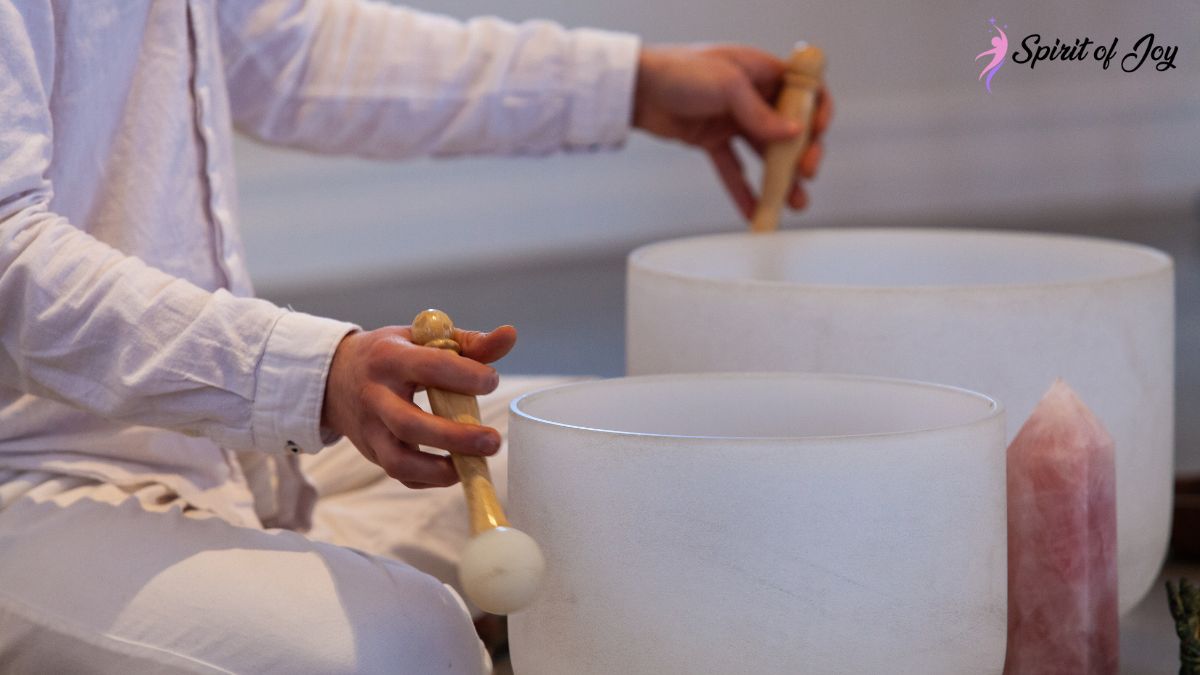
MeditationA reflective form of prayer where the focus is on contemplating spiritual truths or mysteries. offers life-changing benefits for anyone dealing with anxiety. It can notably reduce stress levels and lower cortisol, helping us feel calmer and more relaxed. Through mindfulness meditationA technique that involves paying attention to the present moment without judgment, often focusing on..., we’re able to better observe our emotions without judgment and build emotional resilience. Meditation also sharpens our focus and clarity, making it easier to manage daily tasks and decisions. Plus, regular practice promotes better sleepMeditation promotes relaxation and reduces insomnia, leading to improved sleep quality and duration.... by calming racing thoughts and easing tension. Overall, meditation boosts our well-being, helping us handle anxiety more effectively. Curious about how else it can help our mental health? Read on to discover more.
Key Takeaways
- Meditation significantly decreases anxiety symptoms and stress levels.
- MindfulnessThe practice of being fully present and aware in the moment, often used to reduce stress, enhance we... meditation lowers cortisol levels, reducing anxiety.
- Meditation helps identify and manage anxiety triggers.
- Regular meditation builds emotional resilience against anxiety.
Reducing Stress
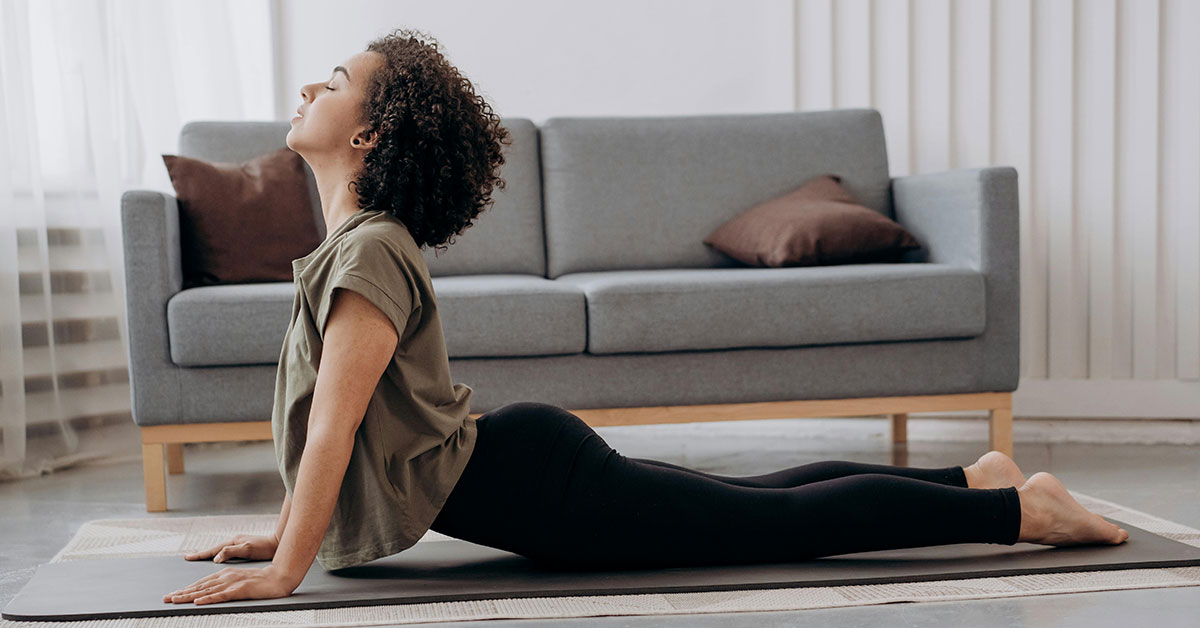
Meditation significantly decreases stress levels, aiding us in alleviating anxiety symptoms. When we engage in mindfulness meditation, we can lower our body’s stress response and decrease cortisol levels. This is important because cortisol, the stress hormone, often worsens feelings of anxiety. By practicing meditation regularly, we create a pathway to stress reductionMeditation helps lower stress levels by promoting relaxation and reducing the production of stress h... that directly benefits our mental health.
Mindfulness meditation promotes relaxation and a sense of calm, which plays a vital role in managing anxiety-related stress. When we meditate, our focus on the present moment allows us to detach from the overwhelming thoughts that often fuel our anxiety. This practice not only helps in immediate stress reduction but also builds resilience over time, making it easier to handle future stressors.
Additionally, meditation provides us with the tools to cultivate inner peaceMeditation fosters a deep sense of inner peace and contentment, regardless of external circumstances.... By incorporating it into our daily routines, we can experience a noticeable decrease in tension and overwhelm. This consistent practice leads to improved emotional regulation and a more balanced mental state.
Essentially, meditation is a powerful method to reduce stress and, consequently, alleviate anxiety symptoms. Through regular meditation, we can enhance our overall mental health and well-being.
Improving Emotional Regulation
We can enhance our emotional regulation skills by practicing mindfulness and becoming more aware of our thoughts and feelings. When we engage in mindfulness meditation, we learn to observe our emotions without judgment. This increased awareness helps us identify our anxiety triggers and manage our reactions better. Instead of being overwhelmed by intense emotions, we can approach them with calmness and clarity.
Over time, this practice builds our emotional resilience. By regularly meditating, we train our minds to respond to anxiety-inducing situations more effectively. We gain the ability to stay balanced and maintain inner peace even when faced with stressors. This doesn’t mean we won’t feel anxious, but rather, we’ll be better equipped to handle those feelings without letting them control us.
Meditation offers a tangible way to improve our ability to regulate emotions. It provides a space where we can practice responding to our thoughts and feelings with a sense of balance. As a result, we’re more likely to experience a stable emotional state and less likely to be thrown off course by unexpected events. This practice ultimately leads to a more peaceful and balanced life.
Enhancing Focus and Clarity
By training our minds to stay present and attentive, we can enhance our focus and clarity through meditation. Regular meditation practice, particularly mindfulness meditation, allows us to sharpen our cognitive function and improve our memory. By focusing on breathBlowing gently over the crystals with the intention of clearing away negative energy and recharging ... awareness, we can reduce distractions and increase our attention span, making it easier to concentrate on tasks.
When we incorporate mindfulness into our daily routine, we notice a significant improvement in our ability to stay present. Instead of getting lost in a sea of distractions, we’re able to maintain concentration and accomplish our goals more efficiently. This heightened state of focus and clarity isn’t just beneficial for our productivity, but it also aids in better decision-making and problem-solving skills.
Moreover, meditation helps us develop a keen sense of awareness and presence. As we become more attuned to our breath and thoughts, our cognitive function improves, allowing us to process information more effectively. This leads to enhanced memory retention and a clearer understanding of the tasks at hand.
In essence, by committing to a regular meditation practice, we cultivate the mental tools needed to navigate life’s challenges with greater focus and clarity, ultimately boosting our overall well-being.
Promoting Better Sleep

A good night’s sleep often eludes us when our minds are cluttered with anxiety and stress. By incorporating meditation into our bedtime routine, we can experience significant benefits that lead to better sleep.
Meditation helps in calming the mind and promoting relaxation, making it easier to drift off. Here’s how meditation can help improve our sleep quality:
- Calms Racing Thoughts: Mindfulness meditation can effectively reduce the racing thoughts that keep us awake at night.
- Reduces Sleep Anxiety: Regular meditation practice alleviates sleep-related anxiety by promoting a state of relaxation before bedtime.
- Eases Tension: Meditation helps in easing the physical and mental tension that builds up throughout the day.
- Improves Sleep Patterns: Utilizing meditation as a tool for managing sleep anxiety can lead to improved overall sleep patterns and quality.
When we make meditation a part of our bedtime routine, we set ourselves up for a more restful night. The calming effects of meditation help us shift smoothly from a state of alertness to one of restfulness, reducing anxiety and enhancing our sleep quality.
Boosting Overall Well-being
Meditation frequently improves overall well-being by reducing stress hormones like cortisol and promoting a sense of calm. By regularly practicing meditation, we can significantly lower our stress levels, which helps in managing anxiety.
One of the key health benefits is the reduction in heart rate and blood pressure, which contributes to a more relaxed state. This physical relaxation translates into mental calmness, making it easier to navigate through daily stressors.
Enhanced emotional regulation is another vital benefit. When we meditate, we gain better control over our emotions, allowing us to achieve emotional balanceMeditation promotes emotional stability and helps manage mood swings, leading to a more balanced emo... and inner peace. This improved emotional regulation helps in reducing anxiety symptoms, making it easier to handle challenging situations without becoming overwhelmed.
Additionally, meditation sharpens our focus and concentration. By training our minds to stay present, we can reduce anxiety-related distractions and worries. This heightened mental clarityMeditation clears the mind of clutter, leading to improved clarity, decision-making, and problem-sol... not only supports stress management but also improves our overall mental health.
Frequently Asked Questions
What Does Meditation Do for Anxiety?
Meditation calms our mind by focusing on neutral thoughts, reducing stress. Deep breathing activates relaxation, breaking worry cycles. It lowers heart rate and blood pressure, decreasing muscle tension and improving emotional control for long-term anxiety relief.
How Long Does It Take for Meditation to Reduce Anxiety?
We can start seeing improvements in anxiety within a few weeks to months of consistent meditation practice. Typically, a 6-week guided program shows significant reductions, but individual experiences vary. Consistency is key for long-term benefits.
How Much Should You Meditate for Anxiety?
We should meditate for 10 to 30 minutes daily to reduce anxiety. Consistency is essential, and even 5 to 10 minutes can help. Let’s experiment with different techniques and durations to find what works best for us.
Can Meditation Help Health Anxiety?
Yes, meditation can help with health anxiety. We’ve found that regular meditation promotes relaxation, reduces stress, and improves emotional regulation. Techniques like deep breathing and body scans are especially effective in managing and alleviating health anxiety symptoms.
Conclusion
To sum up, we’ve seen firsthand how meditation can work wonders for anxiety. By reducing stress, improving emotional regulation, enhancing focus and clarity, promoting better sleep, and boosting overall well-being, meditation offers a holistic approach to mental health.
Let’s make time for this simple yet powerful practice in our daily lives, and we’ll likely notice significant improvements in how we handle anxiety and overall stress. It’s worth the effort for a calmer, more balanced life.