Honoring ancestors in spiritual traditions globally aids in connecting us deeply to our roots, providing guidance, wisdom, and a sense of belonging. Through various practices, we tap into ancestral wisdom for support and resourceful decision-making. Ancestor honoring encourages self-reflection, promotes understanding of our personal history, and enhances our relationship with our roots. By continuing on this journey of honoring ancestors, we’ll further explore the emotional benefits and ways to incorporate these practices into our personal spirituality.
Key Takeaways
- Honoring ancestors in spiritual traditions fosters a deep-rooted spiritual connection to cultural heritage and roots.
- It acknowledges the continuum of existence, enhancing a sense of belonging and interconnectedness.
- Ancestor reverence serves as a resource for wisdom, guidance, and support applicable to modern decision-making and personal growth.
- It offers psychological and emotional support, aiding in the processing of grief and promoting self-understanding of personal history.
- The practice of ancestor honoring, through rituals or ceremonies, can be personally enriching, providing a bridge between past, present, and future.
The Meaning and Importance of Ancestor Reverence

Honoring our ancestors holds profound significance in various spiritual traditions. It’s a practice imbued with cultural significance, offering us a deeper spiritual connection to our roots.
We’re not just paying respects; we’re acknowledging the continuum of existence. Recognizing the wisdom and sacrifices of those who came before us fosters a sense of belonging, a vital aspect of our well-being.
The rituals and ceremonies might vary, but the underlying essence remains the same – an acknowledgement of life’s cyclical nature. As we honor our ancestors, we also affirm our place in this cycle, providing us a groundingThe practice of connecting one’s energy to the earth to balance and stabilize the body's energy syst... sense of safety and continuity.
This spiritual connection, nurtured through ancestor reverence, is a profound reminder of our interconnectedness and the enduring value of our cultural heritage.
Historical Overview of Ancestor Honoring Across Cultures
While the spiritual significance of ancestor reverence is universal, the methods and practices employed to honor these past generations vary wildly from culture to culture.
In exploring this diversity, we find that ancestor veneration speaks to the heart of human spirituality, regardless of cultural or geographic differences.
- In Chinese culture, the Qingming festival involves sweeping the graves and offering food to the deceased.
- Native American traditions often include dances and ceremonies to honor ancestors.
- In African cultures, ancestors are invoked through libations and prayers.
- The Japanese celebrate Obon, a three-day festival to honor and celebrate ancestors.
These cultural rituals exemplify the importance of honoring ancestors, showing that while practices may differ, the underlying sentiment of respect and reverence is universal.
The Role of Ancestors in Modern Spiritual Practices
Even though the specific traditions may differ across the globe, the role of ancestors in modern spiritual practices remains significant.
We see a strong ancestor connection in these practices, where individuals seek guidance and support from those who’ve passed on. It’s not about worshipping the dead, rather it’s recognizing the ancestral wisdom they hold.
This wisdom is often seen as a powerful resource for decision-making, personal growth, and handling life’s challenges. Modern spiritual practices, such as meditationA reflective form of prayer where the focus is on contemplating spiritual truths or mysteries., visualizationUsing focused intention and visualization to cleanse crystals by imagining them being bathed in pure..., and ritual ceremonies, provide ways to tap into this wisdom.
These practices promote safety, comfort, and a sense of belonging, offering a bridge between the past, present, and future. Consequently, ancestors continue to play a pivotal role in the spiritual lives of many.
Psychological and Emotional Benefits of Ancestor Worship
Despite the diverse understanding of ancestor worshipA form of prayer that involves acts of reverence and adoration toward God, often as part of a religi... across various cultures, its psychological and emotional benefits are universally acknowledged.
We see a healing connection fostered through this spiritual practice, providing emotional support in challenging times.
Analyzing the benefits further, we can list:
- Encourages Reflection: It provides an opportunity to reflect on our past, promoting self-understanding.
- Enhances Connection: We feel a tangible link with our roots, fostering a sense of belonging.
- Offers Emotional Support: It provides a comforting sense of continuity, reducing feelings of isolation.
- Facilitates Grief Processing: It aids in the healing process after loss, providing a safe space for expressing emotions.
In essence, ancestor worship can be a therapeutic practice, promising emotional stability and psychological well-being.
How to Incorporate Ancestor Honor Into Personal Spirituality
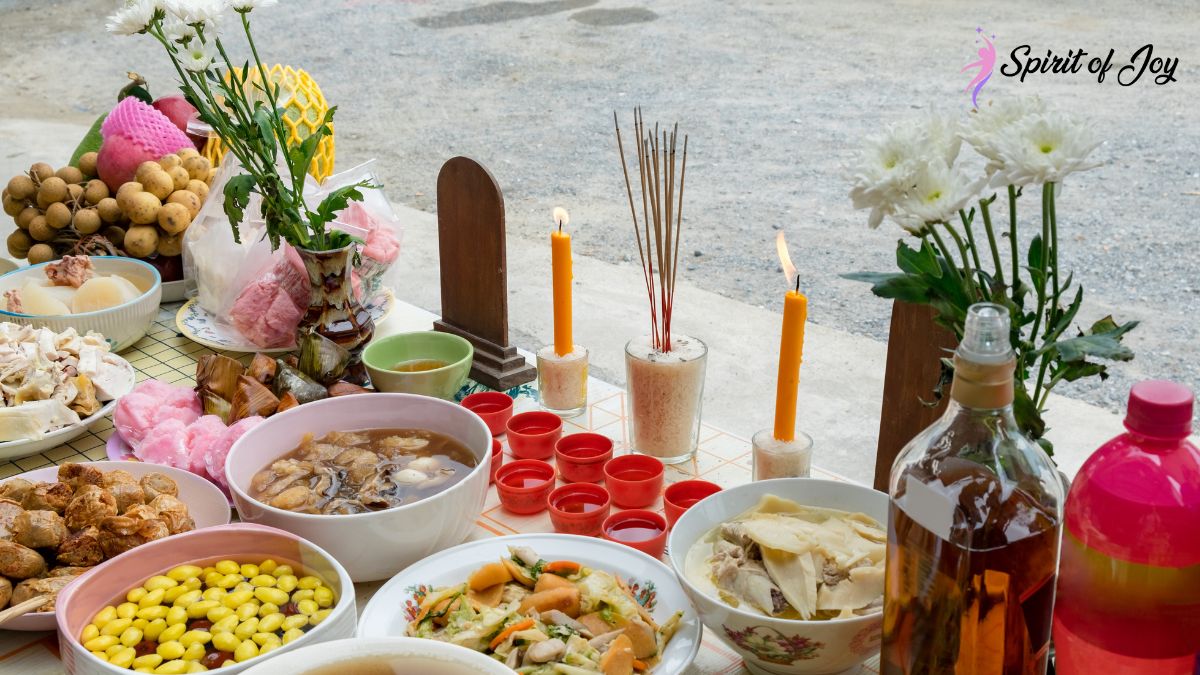
Incorporating ancestor honor into personal spirituality can seem intimidating if you’re unsure where to start. However, we’re here to assure you it’s a process that can be both enriching and comforting.
A simple way to begin is by setting up ancestor altars within your home. These sacred spaces provide a physical location where you can connect with your ancestors.
Ritual offerings are another key aspect. These can be as simple as lighting a candleA source of light used in rituals to symbolize illumination, guidance, and the presence of the divin..., offering food, or even sharing stories about your ancestors.
Frequently Asked Questions
Are There Any Negative Impacts of Practicing Ancestor Reverence?
We’ve found no definitive negatives to ancestor reverence. However, it’s essential we avoid cultural appropriation. Misunderstanding can create an emotional burden and potentially harm the cultures we’re trying to respect. We’re all for honoring ancestors responsibly.
What Should I Do if I Dont Know Much About My Ancestors?
We’d suggest starting with genealogical research. It’s a great way for us to learn about our ancestors and understand our cultural heritage. Don’t worry, you’re not alone in this exploration—we’re here to guide you.
Is Ancestor Honoring Exclusive to Any Specific Religions or Belief Systems?
We’ve found that ancestor honoring isn’t exclusive to any one religion. It’s rooted in diverse cultural practices worldwide, underscoring our shared spiritual significance. We’re all safe to explore this age-old tradition, regardless of our particular beliefs.
How Can Ancestor Worship Affect My Relationships With Living Family Members?
We’ve found that honoring ancestors can deepen emotional connections, subtly influencing family dynamics. It fosters respect and understanding, strengthening bonds with living relatives as we recognize the roots from which our family tree grows.
Can Ancestor Reverence Conflict With My Existing Religious Beliefs or Practices?
We’ve found that ancestor reverence doesn’t inherently conflict with existing beliefs. It’s about spiritual integrationThe process of incorporating spiritual insights and experiences into one's daily life and overall be..., not conflict. We’re honoring their wisdom and contributions, creating a sense of safety and continuity in our spiritual journey.