We can harness the power of sound therapy to enhance our mindfulness practices. Techniques like binaural beats and tuning fork therapy synchronize brainwaves and restore inner balance, fostering tranquility. Listening to calming music or nature sounds helps reduce stress and improve focus. Utilizing white noise masks distractions, while vibrational sounds from singing bowls or gongs relieve tension and promote relaxation. Incorporating these methods into our routine can elevate our overall well-being and mindfulness. Explore further to uncover more benefits and applications.
Key Takeaways
- Utilize binaural beats to synchronize brainwaves and enhance relaxation and focus.
- Integrate calming music into mindfulness routines to promote inner peace and mental clarity.
- Employ nature sounds to reduce stress and improve mood and concentration.
- Use white noise to mask distractions, enhancing focus and mindfulness practices.
- Incorporate guided meditations with sound to foster deep relaxation and sustained mindfulness.
Understanding Sound Therapy
Understanding sound therapy begins with recognizing how sound vibrations can influence our mental state. Sound healing uses these vibrations to promote mindfulness and relaxation, allowing us to become more attuned to our thoughts and emotions. By listening to specific sounds or music, we enhance our mental clarity and focus, helping us to cultivate a sense of presence.
Various instruments are integral to sound healing. Instruments like singing bowls, tuning forks, and gongs create vibrations that resonate within us, fostering a deep sense of tranquility. When we focus on these sounds, we encourage our minds to stay present, leading to a more mindful state.
The repetitive nature of these sounds also helps in grounding us, making it easier to let go of distractions and stress.
Regular practice of sound therapy can significantly impact our overall well-being. As we immerse ourselves in these soundscapes, we develop a heightened awareness of our internal landscape. This practice not only nurtures our mental state but also enhances our ability to manage stress.
Benefits of Sound Healing

Let’s explore how sound healing can enhance our emotional well-being and improve our physical health.
It’s understood that it reduces stress, anxiety, and depression while also boosting our immune system and promoting relaxation.
Emotional Well-being Enhancement
Many individuals find that sound healing greatly reduces anxiety, stress, and depression, leading to enhanced emotional well-being. By immersing ourselves in a sound bath or engaging in chakra singing, we can tap into profound emotional benefits that promote relaxation and inner peace. Sound therapy techniques like these have been shown to improve mood, increase feelings of happiness, and help us process complex emotions.
Sound healing allows us to:
- Release emotional blockages, letting go of past traumas and grief.
- Experience a sense of calm and soothing, which aids in emotional recovery.
- Enhance mindfulness, fostering increased self-awareness and clarity.
- Deepen our connection to our inner selves, promoting emotional clarity.
- Boost overall emotional health, making us feel more balanced and content.
Physical Health Benefits
Beyond enhancing emotional well-being, sound therapy also offers a myriad of physical health benefits that shouldn’t be overlooked.
For starters, sound healing has been shown to reduce pain, lower blood pressure, and improve circulation. These effects alone can greatly enhance our overall physical health.
But it doesn’t stop there. Sound therapy can help alleviate symptoms of insomnia, chronic fatigue, and migraines by calming the nervous system. When we’re less stressed, our bodies can function more efficiently, paving the way for better sleep and reduced fatigue.
This healing works on a cellular level, promoting relaxation and muscle recovery and even reducing inflammation.
Interestingly, research suggests that sound healing can boost our immune system, helping us ward off illnesses more effectively. The vibrations from sound healing instruments aid in balancing hormone levels and improving digestion, which are vital for maintaining our physical health.
Additionally, these vibrations can support overall physical well-being by promoting a state of deep relaxation.
Incorporating sound therapy into our daily routines can be a game-changer for our physical health. By understanding how this healing works, we can take proactive steps to improve our well-being through simple yet powerful sound healing techniques.
Types of Sound Therapy
Now, let’s explore the different types of sound therapy that can enhance our mindfulness practice.
Binaural beats align our brain waves using two different frequencies for relaxation.
Tuning fork therapy uses specific frequencies to restore our inner balance and reduce tension.
Additionally, vibrational sound techniques offer another layer of healing by using vibrations to promote overall well-being.
Binaural Beats Benefits
Binaural beats, an intriguing form of sound therapy, offer numerous benefits by creating auditory illusions from two slightly different frequencies played in each ear. This synchronizes our brainwaves to specific frequencies, promoting states like relaxation, focus, or sleep. By harnessing the power of sound therapy, we can tap into our brain’s natural rhythms and enhance our mental well-being.
Different frequencies target specific mental states. For example, alpha waves promote relaxation, while theta waves are ideal for meditation. Research shows that binaural beats can positively impact stress levels and overall well-being. By listening to these beats, we can experience a range of benefits:
- Reduced anxiety: Binaural beats help calm our minds and alleviate stress.
- Improved mood: Regular listening can elevate our mood and foster a positive outlook.
- Enhanced cognitive function: These beats can sharpen our focus and improve mental clarity.
- Better sleep: Listening to specific frequencies helps us achieve deeper, more restful sleep.
- Increased mindfulness: Binaural beats support our meditation practices, helping us stay present and mindful.
Tuning Fork Therapy
Tuning fork therapy, a fascinating approach within sound therapy, uses specific frequencies to restore balance and harmony in the body. By applying different tuning forks, each tuned to unique frequencies, we can target various healing purposes. The vibrations generated by these forks help reduce tension and promote relaxation, making this one of the most effective healing techniques in sound therapy.
In practice, tuning fork therapy is often integrated into energy healing practices. The forks are strategically placed on or near the body’s energy centers, sometimes referred to as chakras. By doing so, we align and harmonize the body’s natural frequencies, aiding in overall well-being. This method not only addresses physical discomfort but also supports emotional and mental health.
We’ve found that tuning fork therapy offers a non-invasive and gentle approach to achieving mindfulness and relaxation. The soothing vibrations help us release stress, making it easier to reach a state of calm and clarity. As we explore this sound therapy, we can experience profound shifts in our energy and mood, enhancing our mindfulness journey. This technique, with its precision and effectiveness, is a valuable addition to our toolkit for holistic health.
Vibrational Sound Techniques
Among the diverse array of vibrational sound techniques, several stand out for their unique approaches and profound impacts on our well-being. Each method harnesses sound therapy to restore balance, reduce tension, and promote relaxation in our lives. Let’s explore some of the most powerful techniques:
- Singing Bowls: These bowls produce harmonic sounds that resonate deeply with our bodies, relieving stress and fostering a sense of calm.
- Gong Therapy: The deep vibrations of a gong create a peaceful ambiance and help release energy blockages, enhancing our overall sense of well-being.
- Crystal Singing Bowls: Emitting pure tones, these bowls are particularly effective for aligning chakras and promoting emotional healing.
- Drum Therapy: Rhythmic beats from drums can induce a meditative state, facilitating emotional release and deep relaxation.
- Tuning Fork Therapy: Specific frequencies from tuning forks restore our inner balance and reduce bodily tension.
Using Music for Mindfulness
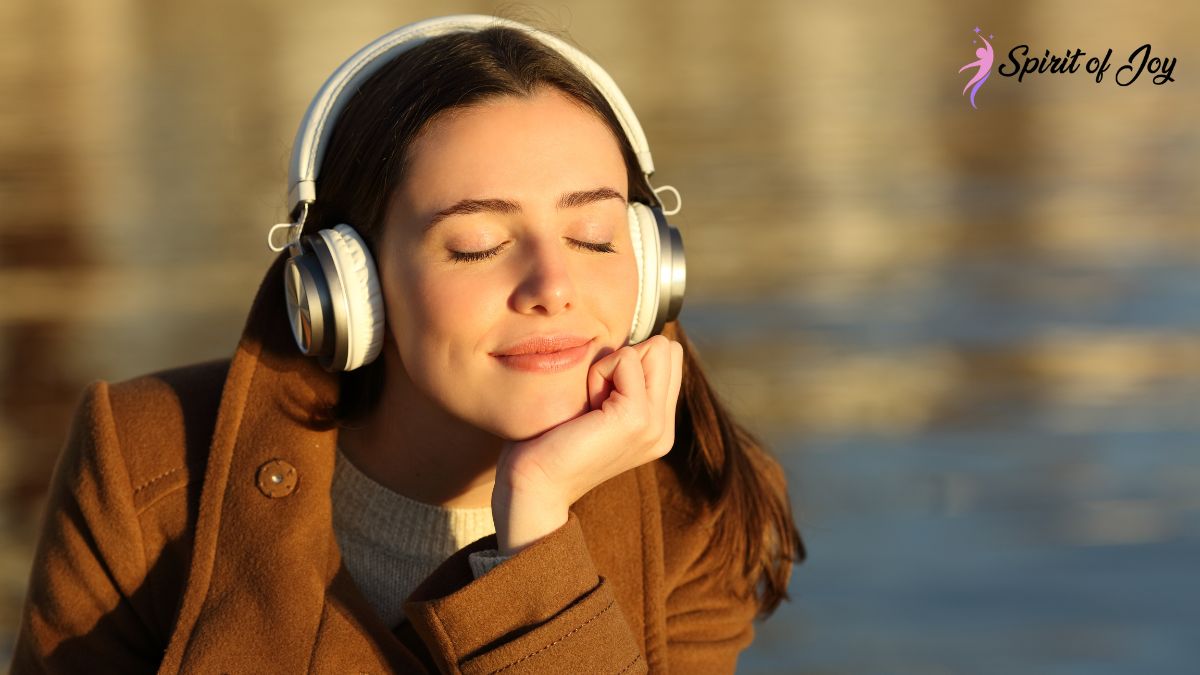
Listening to music can be a potent tool for enhancing mindfulness and staying present in the moment. By immersing ourselves in music therapy, we can harness its healing power to increase our awareness and focus. Calming music, especially genres like classical or ambient, helps us tune out distractions and anchor our thoughts in the here and now.
When we mindfully listen to music, we engage in an active process that can improve our mood and reduce stress. It’s not just about hearing the notes but feeling them and letting them guide our mental state. This practice of mindful listening allows us to connect deeply with the sounds, fostering a sense of tranquility and relaxation.
Integrating music into our mindfulness routines can profoundly deepen the overall experience. For instance, starting a meditation session with a few minutes of soothing music can set a serene tone, making it easier to shift into a mindful state.
The healing power of music therapy lies in its ability to create a harmonious environment conducive to inner peace. By thoughtfully choosing the right tunes, we can amplify the benefits of our mindfulness practices and truly embrace the present moment.
Nature Sounds for Calm
Imagine the gentle sound of waves lapping against the shore or the soothing melody of birdsong at dawn. Nature sounds have an incredibly positive effect on our mental health, reducing stress and anxiety levels. When we immerse ourselves in these sound waves, we can lower our blood pressure and improve our overall mood and focus.
Nature sounds create an environment that mimics the natural world, promoting relaxation and mindfulness. By incorporating them into our daily routines, we can enhance our well-being and foster a sense of calmness and tranquility.
Let’s explore the benefits of these serene sounds:
- Stress Reduction: Listening to natural sounds can notably lower stress levels, helping us feel more at ease.
- Improved Focus: These sounds can boost our concentration, making it easier to stay on task.
- Lower Blood Pressure: Exposure to calming sound waves can result in reduced blood pressure, promoting heart health.
- Mood Enhancement: Nature sounds can uplift our spirits and increase feelings of happiness.
- Connection to Nature: They help us feel more linked to the world around us, fostering a sense of belonging.
White Noise Techniques
Just as nature sounds can promote a sense of calm, white noise can also play a crucial role in enhancing our mental well-being. By masking distracting background sounds, white noise helps improve our focus and concentration. This can be particularly beneficial in busy environments where maintaining attention is challenging.
Using music that integrates white noise can further assist in creating a soothing atmosphere that calms our nervous system.
We can also utilize white noise techniques to reduce stress and anxiety levels. When we feel overwhelmed, the continuous, gentle hum can act as a mental sanctuary, allowing us to regain our composure. Personalizing the white noise to our individual preferences—whether it’s the sound of a fan, rainfall, or static—can maximize these relaxation benefits.
Furthermore, white noise has been demonstrated to enhance sleep quality. By promoting a more restful and uninterrupted sleep, it guarantees we wake up feeling refreshed and ready for the day. For those of us integrating mindfulness practices, white noise can help in achieving a greater sense of presence and focus. It helps create a consistent auditory background that prevents our minds from wandering, enhancing our overall mindfulness experience.
Binaural Beats and Relaxation
Binaural beats offer a fascinating method for achieving relaxation by leveraging the brain’s natural frequency patterns. By listening to two slightly different frequencies through headphones, our brain creates a third, “binaural” beat that can guide us into specific mental states. Research suggests that binaural beats can help reduce anxiety, improve focus, and promote relaxation.
When we want to shift into a deeper meditative state, binaural beats can be particularly effective. The use of singing bowls alongside these beats can enhance the experience, creating a more immersive environment for mindfulness. Different frequencies are associated with various states, such as deep relaxation, meditation, or improved sleep quality.
The benefits of binaural beats include:
- Reduced Anxiety: Feel calmer and more at peace.
- Enhanced Focus: Improve concentration on daily tasks.
- Better Sleep: Drift into a restful night’s sleep more easily.
- Deeper Meditation: Achieve a more profound meditative state.
- Overall Relaxation: Experience a sense of tranquility and well-being.
Guided Meditations With Sound

In guided meditations with sound, we combine soothing music and calming sounds to help reduce stress and enhance mindfulness. This practice incorporates various instruments like singing bowls, gongs, and nature sounds, creating a serene environment that encourages deeper meditative states. By focusing on these sounds, we can effectively diminish stress and anxiety, allowing us to be fully present in the moment.
Sound therapy in guided meditations isn’t just about relaxation; it also notably enhances our overall well-being. The rhythmic use of singing bowls, for instance, produces vibrations that can help clear our minds and promote a sense of inner peace.
Meanwhile, the gentle hum of gongs and the tranquil sounds of nature create a harmonious backdrop that makes it easier for us to concentrate and let go of daily worries.
These guided sessions are designed to make it simpler for us to engage with relaxation techniques. By immersing ourselves in the calming sounds, we find it easier to focus and maintain mindfulness throughout the meditation. In doing so, we achieve a state of relaxation that’s not only deeper but also more sustainable, ultimately fostering a healthier, more balanced lifestyle.
Personalized Sound Experiences
Personalized sound experiences in therapy can revolutionize our mindfulness practice by catering specifically to our unique auditory preferences. By customizing our sound environment, we can enhance relaxation, focus, and emotional connection. Tailoring this form of therapy to individual needs, whether through custom playlists, nature sounds, white noise, or specific instruments like Tibetan Bowls, opens up new avenues for achieving well-being.
Studies reveal that these personalized sound experiences lead to increased engagement and a deeper emotional connection, notably improving our overall state of mind. Imagine the soothing resonance of Tibetan Bowls or the calming hum of our favorite songs, creating an immersive, stress-free space.
- Increased relaxation from familiar and beloved sounds
- Enhanced focus through custom soundscapes that minimize distractions
- Deeper emotional connection fostered by personalized auditory experiences
- Improved well-being through a unique form of therapy tailored to us
- Exploration of resonant sounds and frequencies that maximize mindfulness benefits
Frequently Asked Questions
How Do You Practice Mindfulness of Sound?
We practice mindfulness of sound by actively listening to our surroundings without judgment. We focus on deep breathing, noticing the rhythm, pitch, and quality of sounds. This helps us stay anchored in the present moment.
Is There Any Scientific Evidence for Sound Healing?
Yes, there’s scientific evidence. Studies show sound healing reduces stress, anxiety, and depression. It improves mood, relaxation, and overall well-being. Sound therapy also promotes mindfulness, lowers blood pressure, and enhances cognitive function by positively impacting brainwave patterns.
What Are Three 3 Things That May Be Improved by Practicing Mindfulness?
Practicing mindfulness can improve our focus and concentration, reduce our stress and anxiety levels, and enhance our self-awareness and emotional regulation. These benefits lead to better productivity, emotional well-being, and stronger relationships with ourselves and others.
Is Sound Therapy Evidence-Based?
Yes, sound therapy is evidence-based. We’ve seen research supporting its benefits, such as reduced stress and anxiety, improved sleep quality, and enhanced mindfulness. By using techniques like binaural beats, we can promote relaxation and mental well-being.
Conclusion
Incorporating sound therapy into our mindfulness practice can transform our mental and emotional well-being. We’ve explored a variety of techniques, from music and nature sounds to white noise and binaural beats. Each method offers unique benefits, helping us find calm and focus in our daily lives. By experimenting with these different approaches, we can discover what resonates best with us and create personalized sound experiences that enhance our mindfulness journey. Let’s embrace these tools and nurture our inner peace.