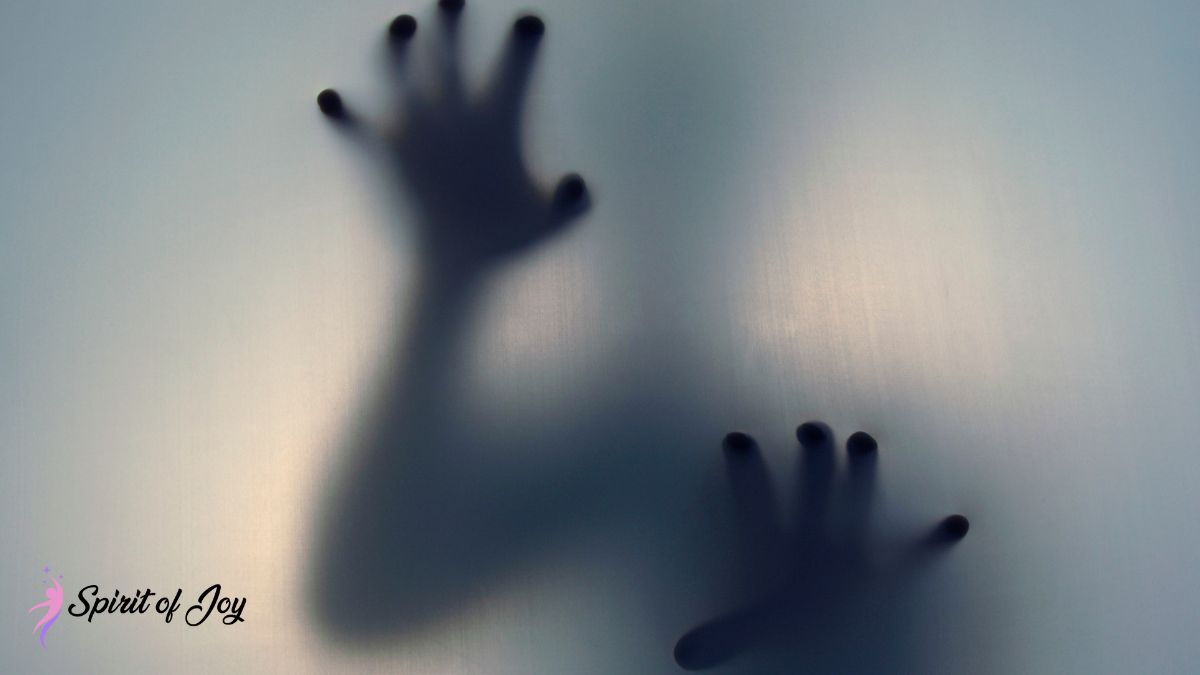
Our experiences and perceptions of the supernatural are greatly shaped during our formative years. As kids, our imaginative play and the stories we are told frame our view of the paranormal. Family beliefs and rituals entrench these ideas deeply, creating a firm foundation of belief. Our brains, highly plastic during our early years, readily absorb these narratives. Even our fear response gets wired to these experiences, persisting into adulthood. A deeper exploration into this topic could offer even more intriguing insights.
Key Takeaways
- Childhood experiences, particularly imaginative play, help shape perceptions of the supernatural and paranormal.
- Family traditions, shared experiences, and cultural practices can reinforce and validate beliefs in the paranormal.
- Early environmental factors, such as cultural norms and storytelling, significantly influence the development of paranormal beliefs.
- Psychological perspectives suggest that childhood fear responses and cognitive development can amplify or shape perceptions of paranormal events.
- Understanding the influences of childhood, family, and culture can help individuals navigate their beliefs and experiences with the paranormal.
The Influence of Formative Years on Supernatural Perceptions

While it may seem surprising, the formative years of childhood can profoundly shape our beliefs about the supernatural. During this critical period, imaginative play becomes a conduit for understanding the worldA Major Arcana card representing completion, fulfillment, and achievement. around us and, often, the unseen world beyond.
As we navigate through the stories and legends woven into our cultural storytelling, we’re unknowingly framing our perspective on the paranormal. Scientifically, our brains are at their most plastic, absorbing and interpreting these narratives.
These experiences, laced with a sense of safety, become a cornerstone of our belief systems. It’s fascinating how these early influences, through a combination of imaginative play and cultural narratives, set the stage for our understanding and perception of the supernatural.
Family Beliefs and Their Impact on Paranormal Experiences
Just as the seeds of supernatural beliefs are sown during our formative years, the family environment plays a critical role in fertilizing these ideas. Family traditions, such as sharing ghost stories or practicing rituals, can instill and reinforce these beliefs.
- Belief Reinforcement: When parents affirm the existence of the paranormal, it solidifies these concepts in a child’s mind.
- Cultural Traditions: Some families have cultural practices that revolve around spirits and the supernatural. These traditions can foster a belief in paranormal entities.
- Shared Experiences: When families recount or share paranormal experiences, it provides a sense of validation and credibility to these occurrences.
Through these mechanisms, our families can greatly shape our perceptions of the paranormal, setting a foundation for future experiences and interpretations.
The Role of Early Environment in Shaping Paranormal Beliefs
Though we often overlook it, our early environment greatly influences our perceptions and beliefs, including those of the paranormal. Childhood memories, steeped in cultural influences, lay the groundwork for our understanding of the world, including the unseen.
A child raised in a home full of ghost stories, for instance, may carry these beliefs into adulthood. Similarly, cultural norms and traditions can solidify certain paranormal beliefs, making them an integral part of our worldview.
For safety, it’s essential to remember that these beliefs aren’t inherently dangerous or harmful. They’re reflections of our early environment, shaped by our experiences and the cultural context in which we grew up.
Understanding this can help in steering our relationship with the paranormal.
Psychological Perspectives on Childhood and Paranormal Encounters

From a psychological standpoint, we need to contemplate how encounters with the paranormal in childhood can have lasting impacts.
Consider these three key factors:
- Childhood imagination – Children’s minds are exceptionally creative, making them more susceptible to imaginary and paranormal experiences. This imagination may be a double-edged swordIn religious texts, a sword often represents divine justice and protection. Esoterically, it can sym..., fostering both creativity and fear responses.
- Fear responses – Children are naturally more responsive to fear, which can amplify their perception of paranormal events. This heightened fear response can persist into adulthood, influencing their beliefs and experiences.
- Cognitive development – The way children process and understand these experiences can shape their future beliefs and perceptions about the paranormal.
Understanding these factors can help us navigate and mitigate any potential negative impacts of these paranormal encounters.
Frequently Asked Questions
What Are Common Paranormal Beliefs Children Might Develop?
We’ve found that children often develop beliefs in ghost stories or perceive imaginary friends as real. This stems from their vivid imaginations and the blurred line between reality and fantasy at young ages.
Can Attending Religious Services Increase Belief in the Paranormal?
Yes, we’ve found that attending religious services can reinforce paranormal beliefs. It’s not about fear but about the power of religious indoctrination and belief reinforcement during our formative years.
How Does Media Exposure Influence a Child’s Perception of the Supernatural?
We’ve found that media, especially horror movies and fantasy books, can greatly shape a child’s perception of the supernatural. It might stir fear or fascination, influencing their understanding of the paranormal.
Are Paranormal Experiences More Common in Certain Cultures or Regions?
Yes, we’ve found cultural variations and regional differences do influence paranormal experiences. Some cultures are more open to these occurrences, affecting the frequency and nature of reported supernatural encounters. It’s truly fascinating!
What Coping Mechanisms Can Parents Use to Manage Their child’s Fear of the Supernatural?
We can utilize comfort techniques and engage in fear dialogue to help manage our child’s supernatural fears. It’s essential to validate their feelings, provide reassurances, and educate them about the difference between reality and fiction.